Will their benefits still work in Puerto Rico? · Will they have doctors, hospitals, and coverage? · Is the house actually protected? · Where do you start?

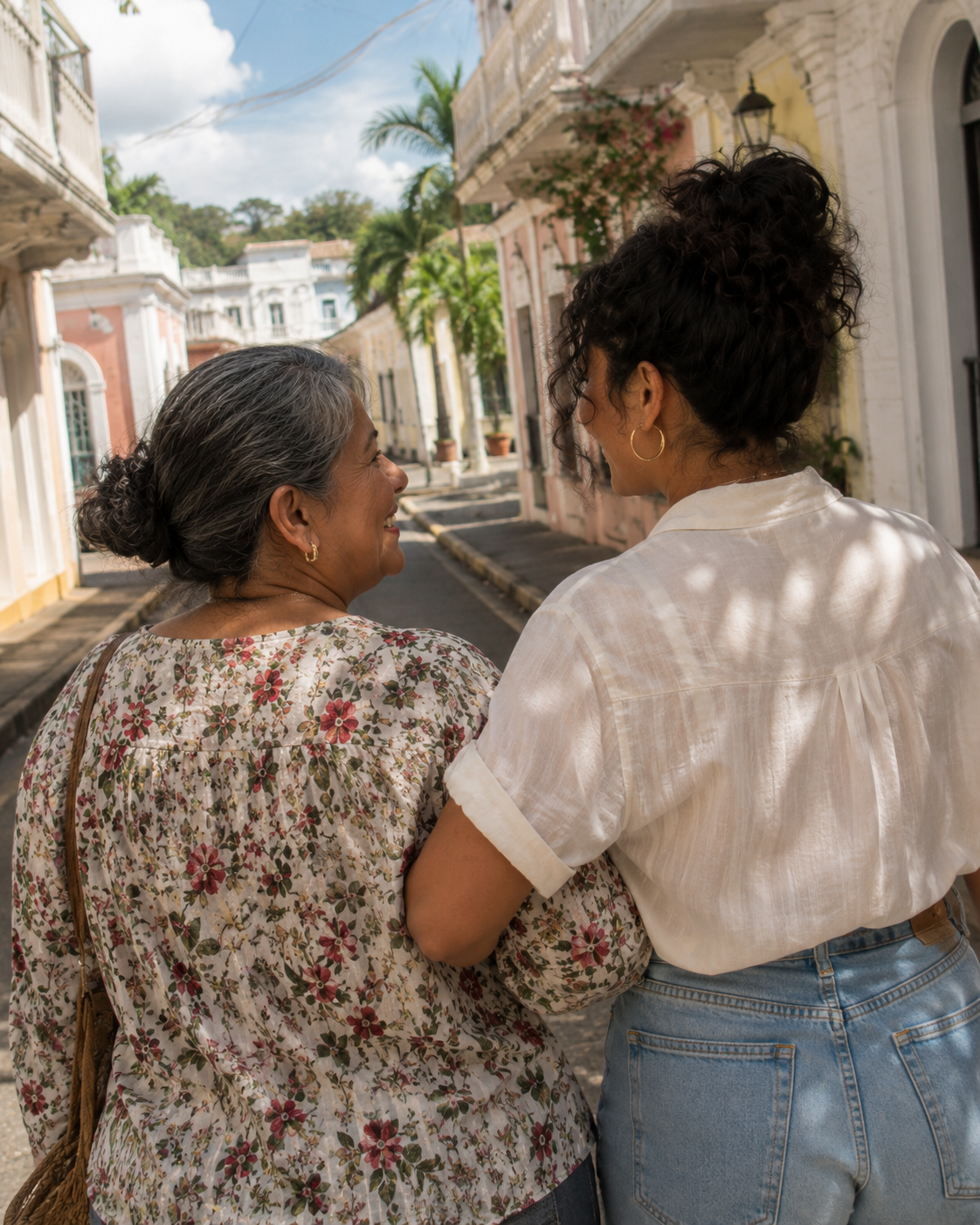
They’ve started saying it more seriously now. Not the vacation daydream, the real one. Ya me quiero ir. I want to go home. I’m tired of the cold, tired of the mainland, I want paz. I want to end up where I started.
And you want that for them. Of course you do. But you’re also the one lying awake with the other questions, the ones they’re not asking. Will they be okay down there? Will there be a doctor when something goes wrong? Does their check still come? What happens to the house? Who takes care of them if you’re two thousand miles away? That worry is love. It’s also exactly the right instinct, because retiring a parent back to Puerto Rico is absolutely doable, but only if somebody checks the hard things first. And that somebody is usually you.
Let’s walk the three things that keep adult kids up at night.
First, the money, because it’s not all the same down there. Here’s the part almost nobody knows until it hurts. If your parent’s income comes from SSI (Supplemental Income for low-income seniors and people with disabilities), that benefit generally does not continue in Puerto Rico. Moving can mean losing it. But if it’s SSDI (the disability benefit they earned through years of work) or regular retirement Social Security, those do follow them home. The difference between those three letters can decide whether the whole plan works, and it’s the single most important thing to confirm before anyone books a one-way ticket. Do not guess on this one.
Second, the healthcare, because this is the real fear. Your parent will have doctors. Puerto Rico has hospitals, specialists, private physicians, and private insurance plans. But the coverage move has to happen in the right order and at the right time. Their mainland plan doesn’t travel. Medicare works differently on the island, and one enrollment window, if missed, adds a penalty to their premium every month for life. Many families end up leaning on private doctors and private insurance for faster access, and that’s a real and good option, but it’s a decision to make on purpose, with the numbers in front of you, not a scramble after the move when someone’s already sick.

Third, the house, because peace means nothing if the roof isn’t covered. If they’re buying or already own a place on the island, insurance is its own conversation. A mainland homeowner’s mindset doesn’t map onto Puerto Rico, where windstorm coverage and flood insurance (if the property sits in a flood zone) are not afterthoughts, they’re the whole point. And if the plan is for them to rent a place instead of buy, that’s a different set of protections and a different set of questions. The dream is peace on the island. Peace doesn’t survive one storm if nobody made sure the house was actually covered.
So where do you start? With one honest inventory, and you can do it this week from your kitchen table on the mainland. Write down exactly what their income is (and which benefit it comes from), what their current healthcare looks like, and what the housing plan is, buy or rent, owned or inherited. That one page tells you where the real risks are before anyone commits. You’d be amazed how much fear disappears the moment it’s written down instead of circling in your head at 2am.
You don’t have to become an expert in Puerto Rico benefit law, insurance, and healthcare in your spare time between work and your own kids. The whole map, which benefits follow and which don’t, the healthcare and private-insurance move in the right order, the home and windstorm coverage that actually protects them, the exact paperwork sequence, and how you can legally act for a parent from the mainland, is in one place. Plain English. For la familia. This is the guide I wish someone had handed us before we figured it out the hard way.
You’re not overthinking it. You’re the one making sure they get the homecoming they’ve earned, safely. Let’s get them home right.
Educational info, not medical, tax, legal, or financial advice. Benefit rules, coverage, and figures change and depend on individual circumstances. Confirm current details with SSA, Medicare, a licensed insurance professional, and a licensed Puerto Rico attorney before acting. If caring for an aging parent feels overwhelming, a licensed professional can help.

Leave a Reply