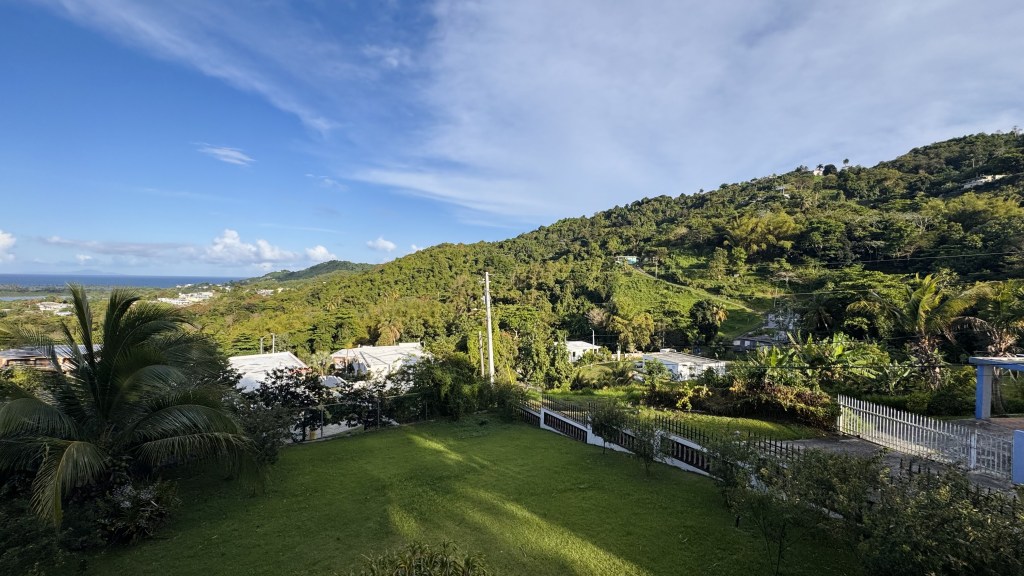
She has been gone for years. Maybe a decade. Maybe longer.
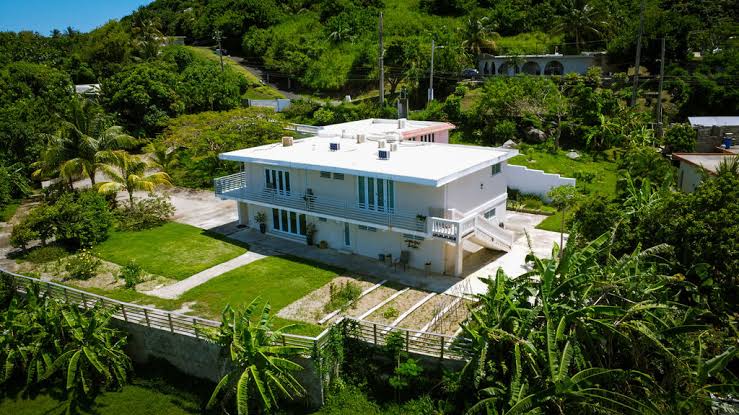
The house is still there. Some family members use it when they visit the island. Someone cuts the grass occasionally. The property taxes get paid sometimes, by whoever remembers, whenever someone thinks about it. Nobody has touched the deed. Nobody has gone to an attorney. Nobody has officially dealt with what happens to a house when its owner is gone and the family is scattered across the northeast.
This is not your family’s failure. This is one of the most common situations facing diaspora families across Puerto Rico. There are thousands of properties on the island that are still legally owned by people who have been dead for years. Some for decades.
And every year that passes without resolution, the situation quietly becomes more complicated, more expensive, and more vulnerable to exactly the kind of outside interference that has been stripping the diaspora of its connection to the island.
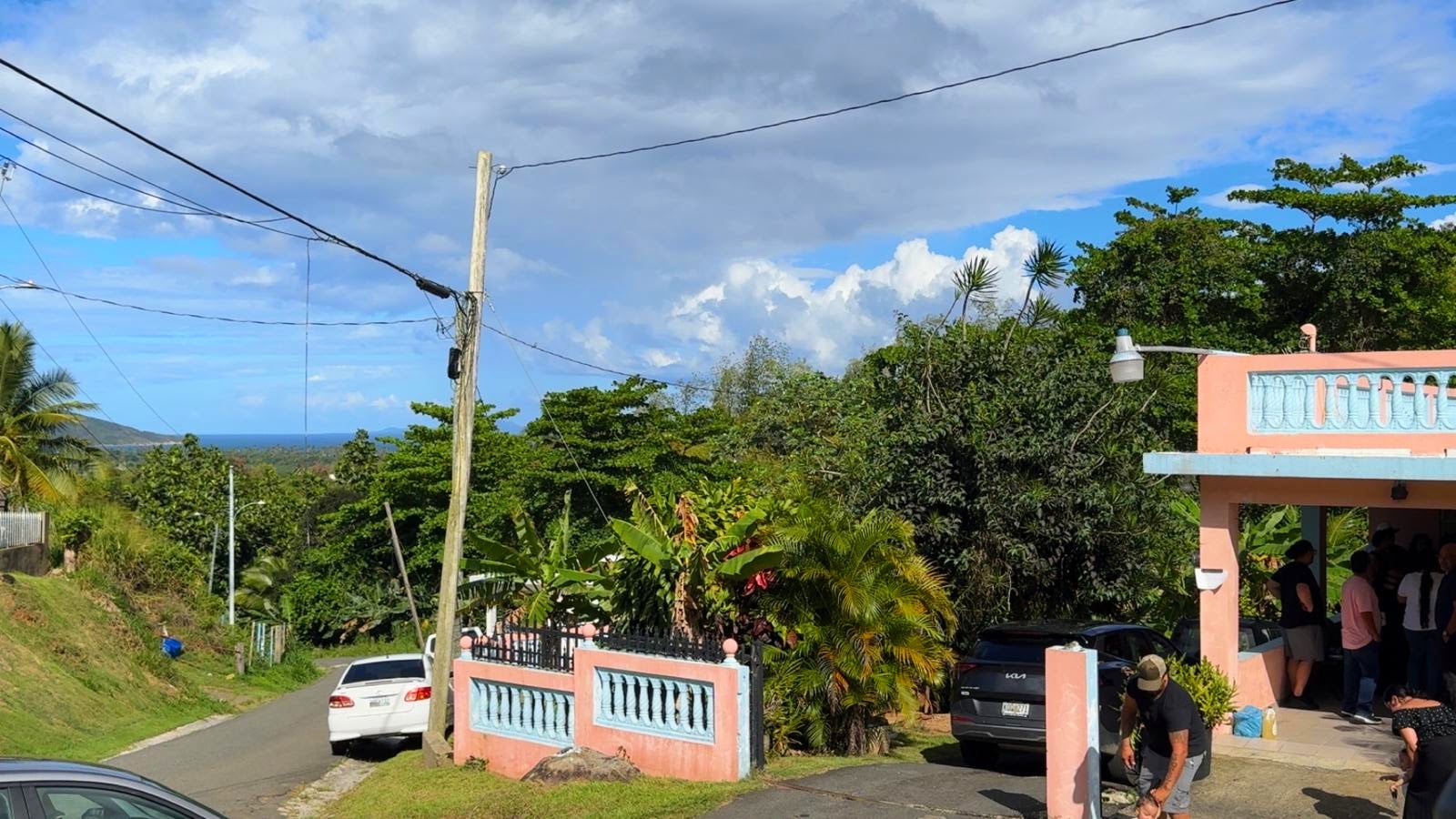
Why the Diaspora Keeps Putting This Off
The conversation has happened in your family. Probably more than once.
Someone brings it up at a gathering — the house, the land, what are we going to do about it. Someone else says they are looking into it. Someone mentions they know an attorney. Someone says it is complicated. Someone points out that everyone is getting along fine right now and why stir things up. The conversation dissolves. Life keeps happening. Nothing changes.
Six months later someone brings it up again and the cycle repeats.
This is not laziness and it is not indifference. It is the rational response of a family trying to navigate a legal system in a language some of them do not speak fluently, in a jurisdiction they do not live in, involving a process nobody explained to them, at a cost in time and money and emotional energy that is genuinely hard to absorb when you are already managing life on the mainland.
The problem is that inaction has its own cost. And that cost compounds every single year.
What Is Actually at Stake
We want to be direct about this because most content about inherited property in Puerto Rico softens it in a way that does not serve you.
Property that has been sitting in a deceased person’s name for years is vulnerable. Not immediately. Not in an obvious way. But the vulnerability is real and it grows.
Outstanding property tax debt accumulates against a property that nobody is officially managing. Over time that debt can trigger legal processes that create additional complications and costs. Properties with unresolved inheritance issues can become targets for opportunistic acquisition by buyers who know how to navigate the legal system around abandoned or debt-encumbered properties. And as more time passes and more generations are born, the legal web of potential heirs becomes more complicated and more expensive to untangle.
There is also something that is harder to quantify. Every year that the property stays in legal limbo is another year it cannot be sold, renovated with permits, mortgaged, rented formally, or used as the financial asset it could be. Your family is sitting on something real. It is just currently locked.
The process to unlock it exists. It has a name, la herencia. It has specific legal steps. It has a timeline that, for straightforward cases, is more manageable than most diaspora families assume.
The Part That Surprises Most Families
When diaspora families finally sit down with a Puerto Rico attorney to deal with inherited property, one of the most common reactions is: this is more manageable than I thought it was going to be.
Not easy. Not fast. But manageable.
The process has clear steps. There are specific documents required. There are specific agencies involved. There are specific timelines, even if those timelines run on island pace. For families where the ownership is clear, there are no disputes among heirs, and the property taxes are relatively current, the path forward is straightforward enough that people who have been avoiding this conversation for years find themselves wondering why they waited so long.
The families who struggle are the ones who wait until additional complications have developed — more heirs, more debt, more time. The families who move forward early, even when it feels premature, are the ones who end up with the cleanest resolution.
This Is How the Diaspora Takes It Back
Every piece of family land that gets locked in inheritance limbo is a piece of Puerto Rico that the diaspora loses its grip on. Not officially. Not on paper. But practically and eventually.
Every piece of family land that gets properly transferred, legally registered, and activated as the asset it is meant to be is a piece of Puerto Rico that stays in the family. That can be passed to the next generation with documentation instead of just memories. That can become a home, a rental, an investment, a vacation property, a place for the next branch of the family to plant roots.
This is not paperwork. This is legacy.
The De Vuelta PR Herencia Guide walks you through the complete process of transferring inherited property in Puerto Rico — the legal steps, the documents required, the agencies involved, the timelines, the costs, and what to do when complications arise. In plain English, for the families who have been meaning to deal with this for years.
This post is for educational purposes only and does not constitute legal, tax, or financial advice. Always consult a licensed Puerto Rico attorney before making any property decisions.
 De Vuelta PR
Leave a comment