There is a house in Puerto Rico right now that nobody lives in.
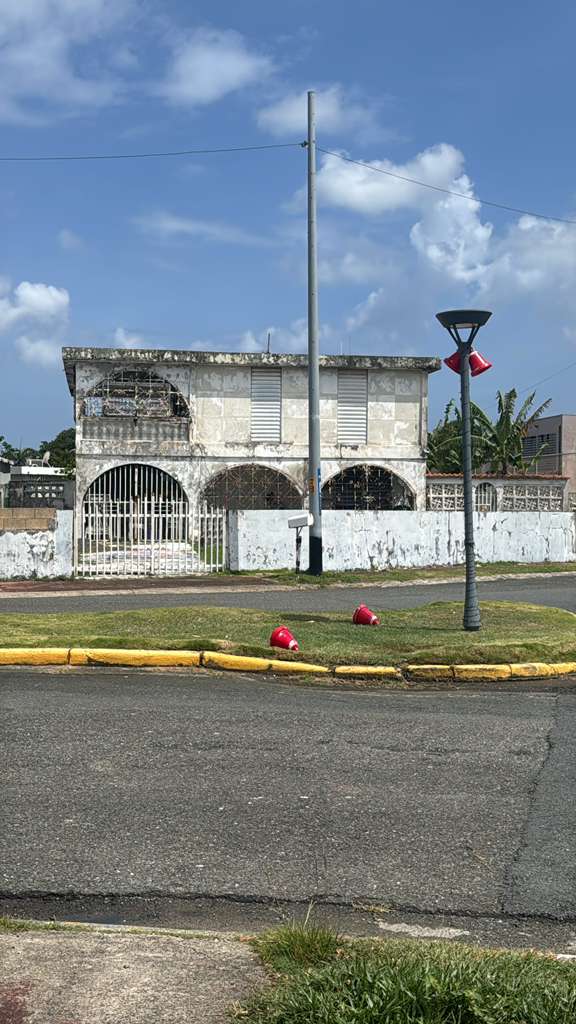
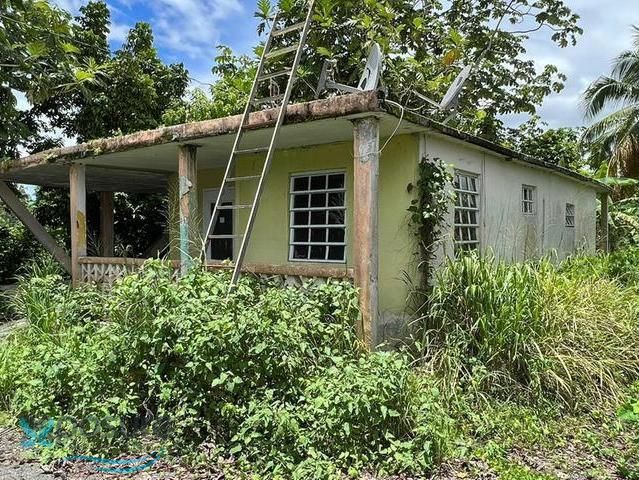
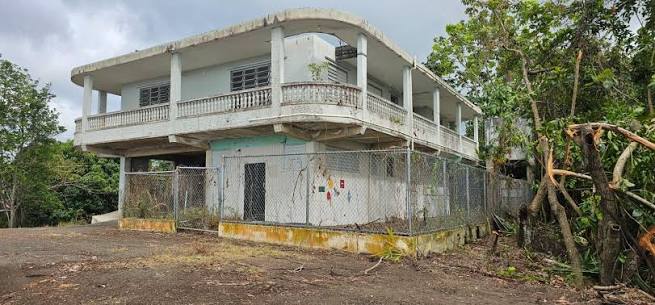
The roof is caving in on one side. The windows are broken. The yard has not been touched in years. The neighbors know the story — someone’s family used to live there, then they moved to the States, then the person who owned it died, and nobody ever dealt with what came next. The house just sat there. Season after season. Hurricane after hurricane. Becoming more of what it already was.
That house has a legal status in Puerto Rico. It is called an estorbo público. And there is a process… a real, legal, government-sanctioned process through which a member of the diaspora can acquire it.
Most of us have never heard of it.
The Inventory Is Bigger Than You Think
Across all 78 municipalities in Puerto Rico there are thousands of properties that have been formally declared estorbos públicos. Abandoned structures. Vacant lots. Houses that have outlived their registered owners and been left behind by families who moved to New York or Hartford or Orlando a generation ago.
Some of these properties are in rough shape. Some of them, with the right investment, could become someone’s home. Someone’s short term rental. Someone’s piece of the island.
The government is not trying to hold onto them. There is a legal framework specifically designed to transfer these properties to people who will do something with them. The problem is that framework exists almost entirely in Spanish, is administered at the municipal level which means 78 different offices with 78 different processes, and has almost no visibility in English-language media or diaspora community resources.
So who ends up knowing about it?
Local real estate investors. Attorneys who specialize in property acquisition. People who have been working this system quietly for years while the diaspora stays on the sidelines.
That ends here.
What Makes a Property an Estorbo Público
Not every abandoned property in Puerto Rico qualifies. The term gets used loosely in conversation but it has a specific legal meaning.
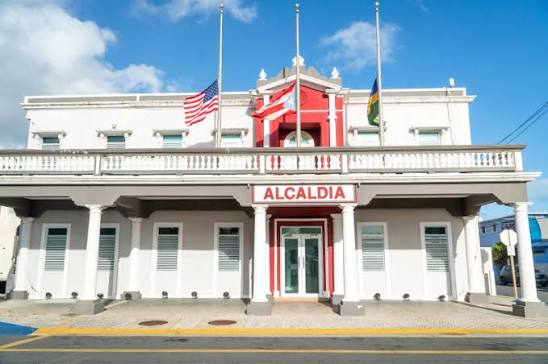
A property must be formally declared an estorbo público by the municipal government through a process that includes notification to the registered owner, an opportunity to contest the declaration, and a formal finding that the property presents an actual risk to the surrounding community. We are not talking about a house with peeling paint. We are talking about structures that have become a genuine hazard — structural collapse risk, public health concern, neighborhood blight that is measurably affecting the people around it.
Once a property is formally declared, it enters the municipal inventory. The municipality is legally required to maintain a public record of these properties including the physical location, the registered owner’s name, any outstanding debt, and the assessed market value.
In practice, most municipalities do not publish this information clearly or keep it updated. That is where the gap lives. And that gap is exactly the information advantage that in-the-know buyers have been exploiting for years.
The Three Ways the Diaspora Can Use This
We are not going to walk through the full acquisition process here because that is what the guide is for. But the framework has three distinct legal pathways and which one applies depends on the municipality and the property.
The most common pathway puts you, the interested buyer, at the center. You identify a declared property, submit a formal letter of intent to the municipal office, and the municipality initiates the legal process on your behalf. When the process is complete the municipality transfers the property to you. You are required to deposit a sum equivalent to the property’s appraised value plus an additional percentage to cover the municipal costs of the process.
This is real. This is legal. This has been happening on the island for years. The diaspora has just not been in the room when it was being talked about.
What the Diaspora Has That Nobody Else Does
Mainland investors who have discovered the estorbo público process have a significant disadvantage: they do not know the island.
They do not know which municipalities are actively managing their programs and which ones have the inventory on paper but no real process behind it. They do not know which neighborhoods are worth the investment and which ones are not. They do not know who to talk to, how things actually work versus how they are supposed to work, or what the land around a property means for its long-term value.
You do.
Or at least you know how to find out. You have tios and primas and cousins of cousins who have been on the island their whole lives. You have a read on the culture and the geography that no podcast or real estate investing course is going to give someone who flew in from New Jersey for a weekend.
The estorbo público process rewards the buyer who does their homework and has the patience to work a system that moves on island time. That is not a criticism of Puerto Rico. It is a description of how things work and an honest assessment of who is positioned to work it well.
The diaspora is positioned to work it well.
The Guide Does What the System Does Not
The De Vuelta PR Estorbos Públicos Guide walks you through the complete acquisition process. How to find declared properties across all 78 municipalities, how to research a property before committing, how to submit your letter of intent, what to expect during the municipal process, and what the transfer looks like when it is done.
It is written in English. It is written for diaspora buyers. It is the information you would otherwise pay an attorney several hundred dollars to explain.
This post is for educational purposes only and does not constitute legal, tax, or financial advice. Always consult a licensed Puerto Rico attorney before pursuing any property acquisition.
 De Vuelta PR
Leave a comment