You have been thinking about it for years.
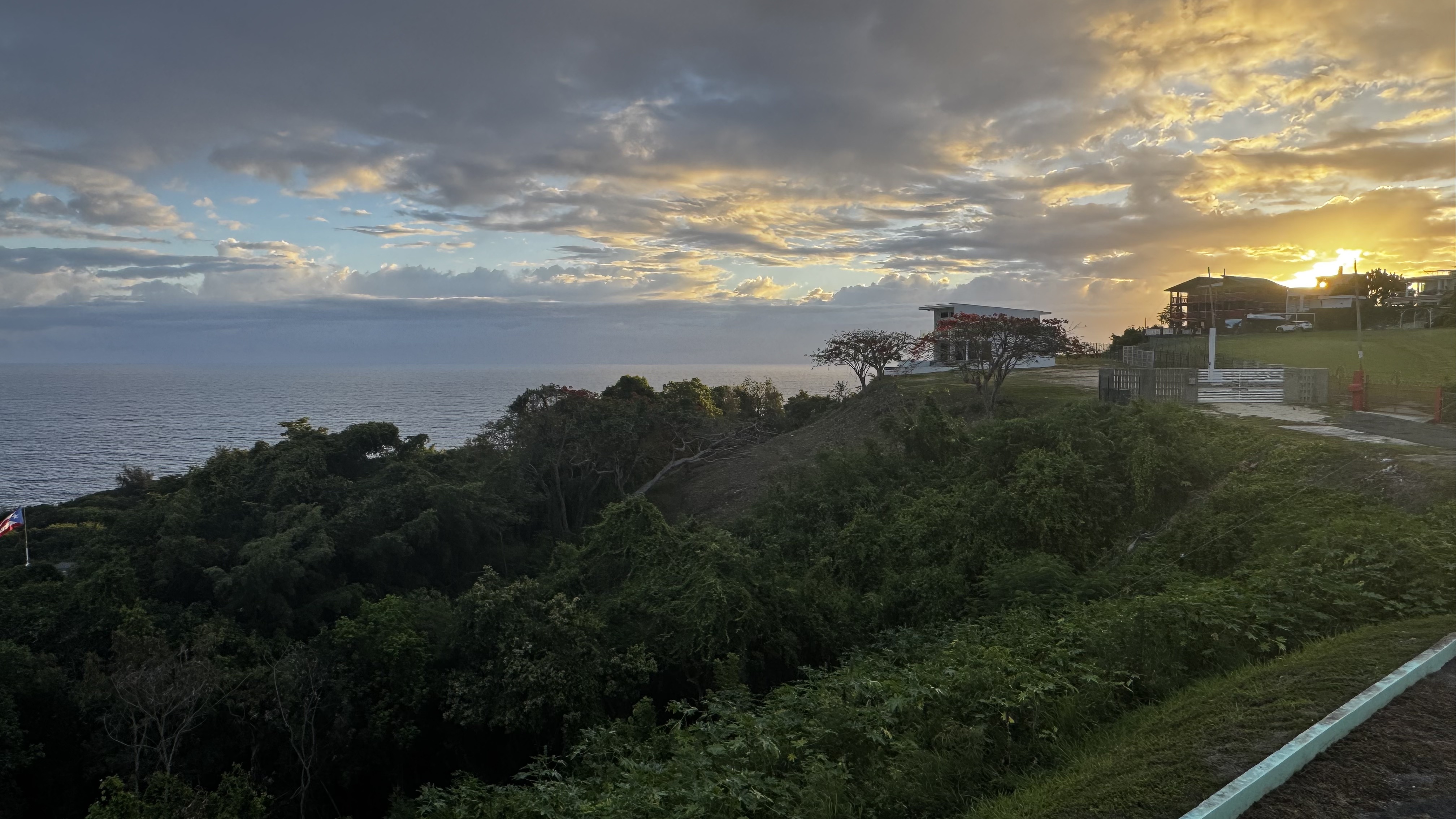
Maybe it started when you flew into Luis Muñoz Marín and felt that specific thing — the heat hitting your face the second you walked off the plane, the smell of the island air, the way your whole body exhaled like it had been holding its breath since the last time you were here. You sat in the taxi watching the highway signs and thought: I should have property here. This should be mine.
Then you landed back in Boston or Orlando or Chicago or wherever home is now, and life kept happening, and the thought got filed somewhere between “someday” and “when I’m ready.”
Here is what nobody tells you: the window is closing.
Puerto Rico Is Being Bought. The Question Is By Whom.
Between 2020 and 2026, Puerto Rico’s real estate market went through one of the most significant shifts in its modern history. Remote work made the island suddenly viable for mainland professionals. Act 60 brought a wave of investors and entrepreneurs relocating for tax incentives. Institutional money noticed what was happening and followed.
The result: property values in certain municipalities have climbed faster than almost anywhere else in the Caribbean. In some neighborhoods of San Juan, Dorado, and Rincon, prices have doubled since 2020.
The diaspora, by and large, missed it.
Not because the opportunity was not there. Because nobody was talking to us about it in plain English. The information existed in legal documents, in Spanish, behind attorney fees that most of our families could not afford.
That is the story of Puerto Rico’s relationship with the diaspora in miniature. The island has always been ours. The systems that govern it have never been built for us.
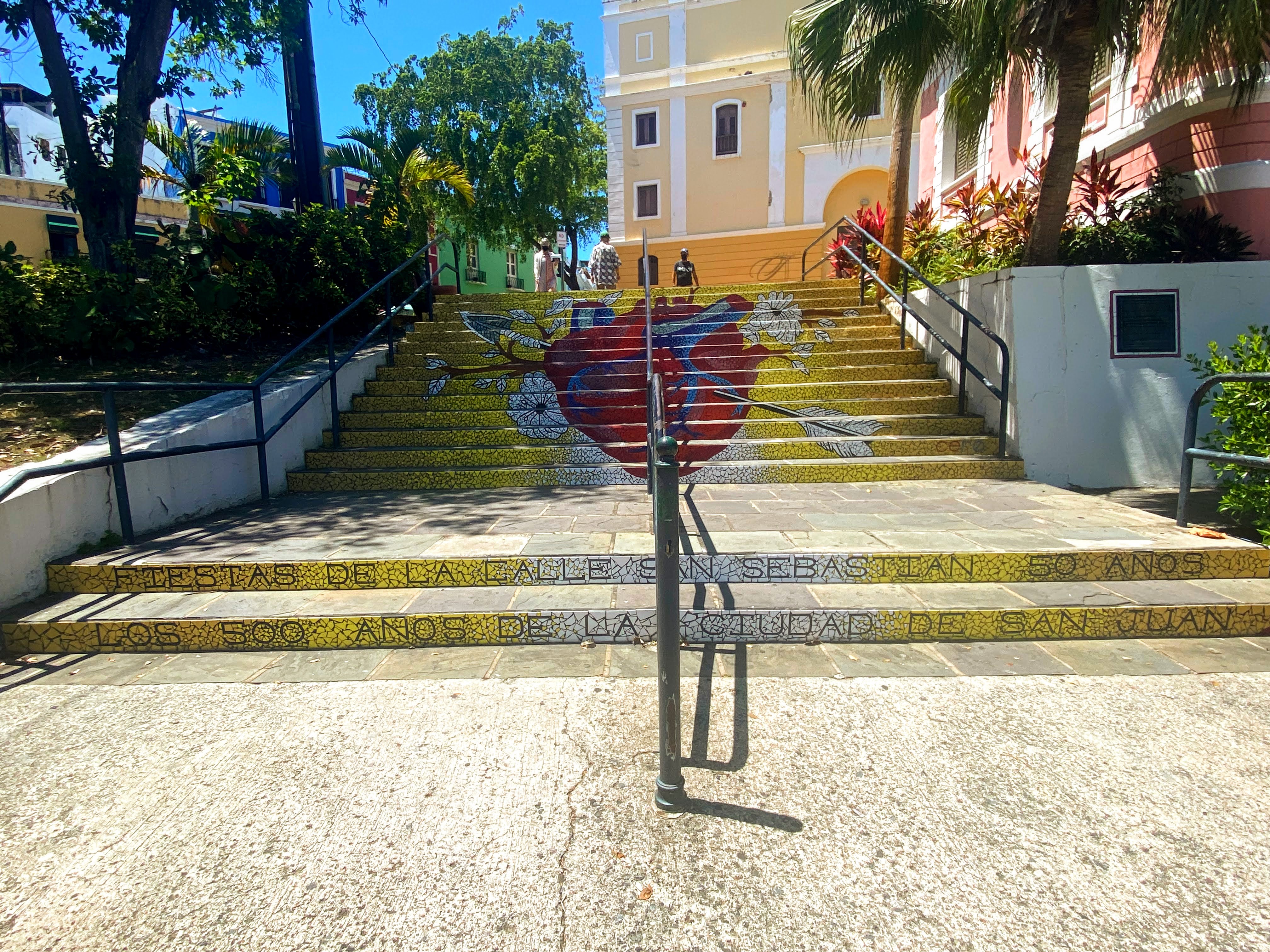
What Buying in Puerto Rico Actually Looks Like
It looks like calling your tia to ask if she knows anyone who knows anyone with a house for sale. It looks like posting in Facebook groups and getting seventeen different answers, none of which agree. It looks like finding a property on Zillow, falling in love with it, calling the number, and finding out it sold eight months ago and nobody updated the listing.
It looks like eventually hiring an attorney just to understand what a notary does and why you cannot buy a house without one.
This is not a knock on Puerto Rico. It is a description of a system that was not built to be transparent to outsiders. And diaspora buyers, despite being US citizens with every right to own property on the island, often get treated like outsiders in the one place they have always called home.
Here is the part that matters: the process is completely navigable once you understand it. It just requires knowing the rules of a game that nobody handed you the rulebook for.
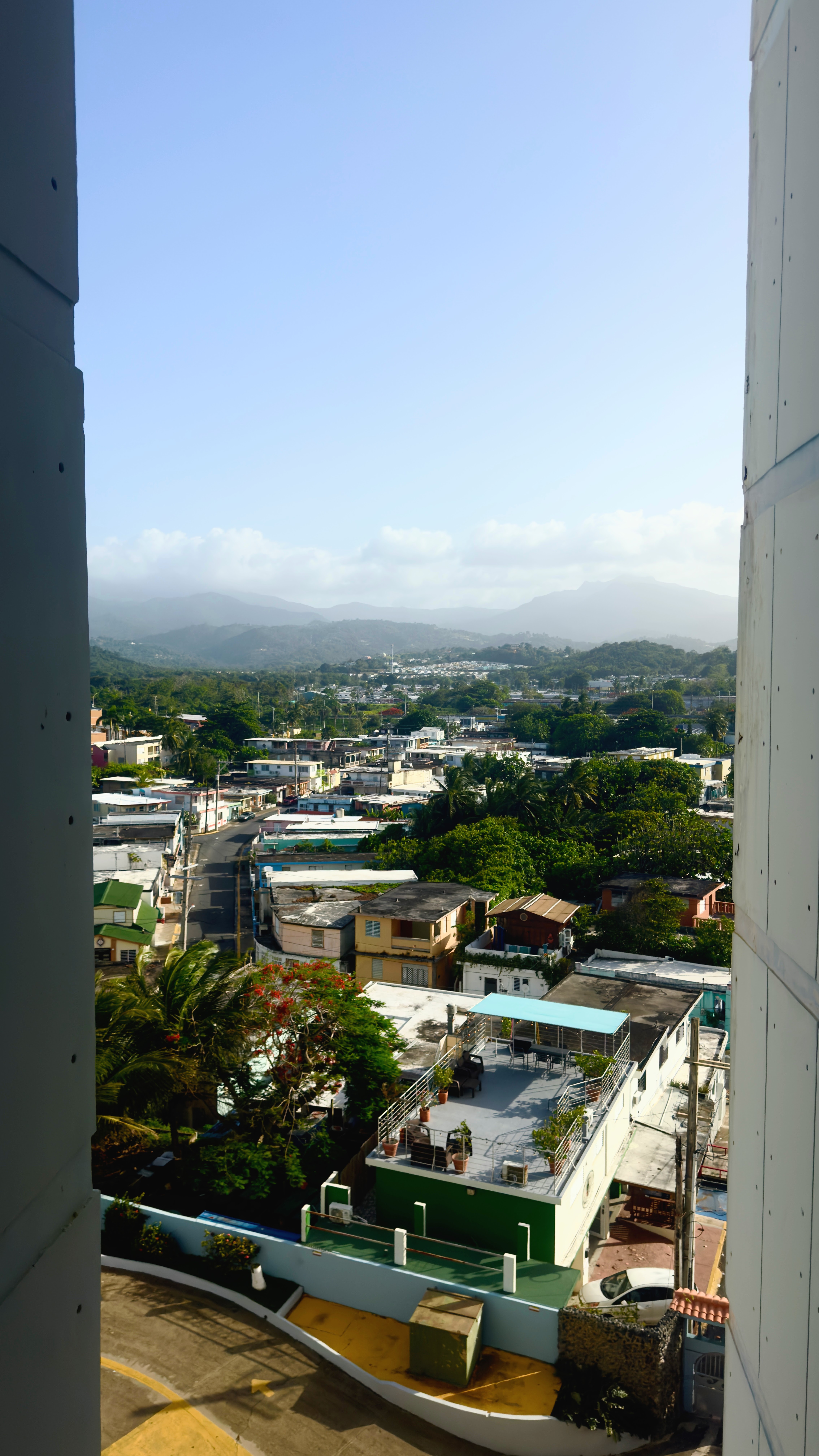
The Three Things That Catch Diaspora Buyers Off Guard Every Single Time
We are not going to give you the full breakdown here because that is what the guide is for. But we will tell you the three things that cost diaspora buyers the most, so you can start thinking about them before you get deep into a deal.
CRIM debt is not the seller’s problem. It is yours.
CRIM is Puerto Rico’s municipal tax authority. Property taxes in Puerto Rico are attached to the property itself, not the person who owes them. This means a seller can have years of unpaid property taxes and walk away from the closing table clean. You, the new owner, inherit the debt. Every dollar of it. This happens constantly in Puerto Rico real estate transactions involving buyers who did not know to check.
The title system is completely different from the mainland.
In most US states, a title insurance company stands between you and a bad title. In Puerto Rico, your protection is a title study conducted by a notary attorney. If that study misses something, or if you skip it entirely, you can close on a property with a clouded title and not find out until you try to sell or renovate years later.
The notary is not just a witness.
On the mainland, a notary public is the person at the UPS store who stamps your documents for four dollars. In Puerto Rico, the notary is a licensed attorney who prepares the deed of sale, conducts the legal review of the transaction, and registers the deed with the Registro de la Propiedad. They are one of the most important people in your entire transaction. Choosing the wrong one is a real and costly mistake.
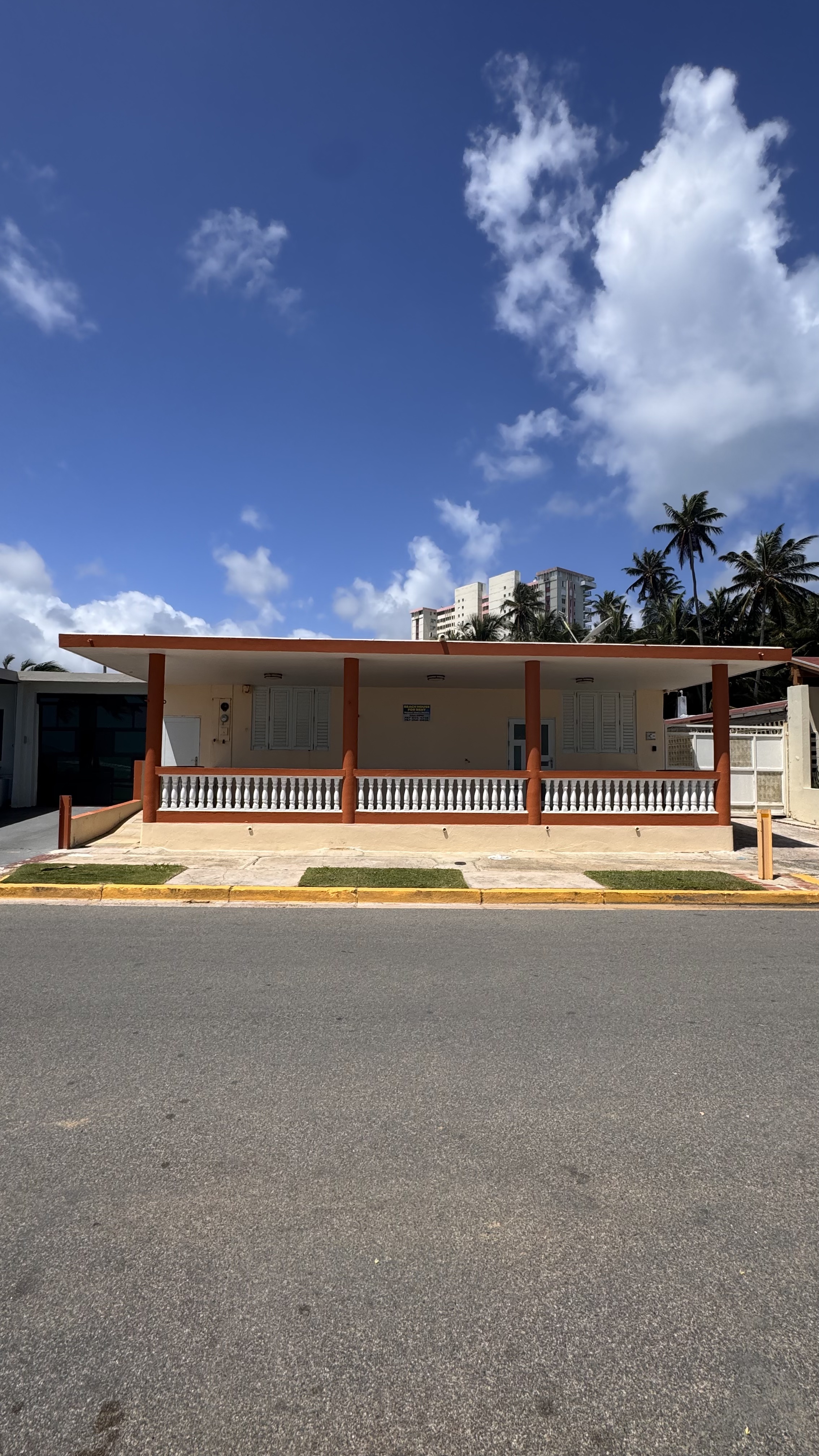
The Opportunity Is Still There
Despite everything, despite the price increases and the investor activity and the systemic barriers, the opportunity for diaspora buyers in Puerto Rico is real and it is still significant.
There are still municipalities where property is affordable. There are still federal loan programs available to US citizens that most diaspora buyers have never heard of. There are still programs and pathways designed specifically for buyers who want to make Puerto Rico home again.
The diaspora has a home field advantage that no mainland investor or Act 60 transplant will ever have. We know the island. We know the people. We know which neighborhoods to trust and which ones are being talked up by people who have never spent a night there. We have family. We have roots.
What most of us have been missing is the information.
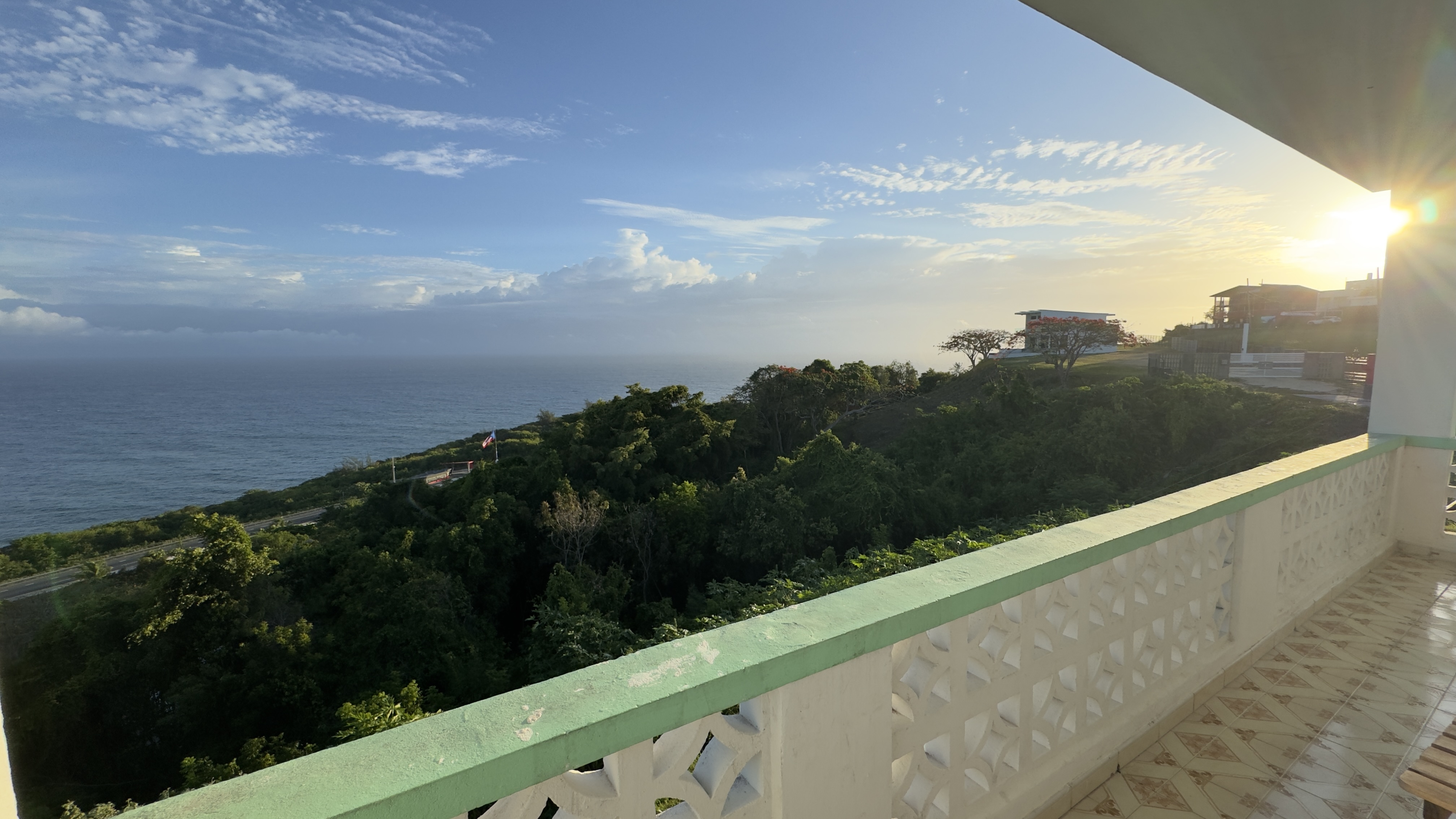
What You Do Next
The complete guide to buying property in Puerto Rico as a diaspora buyer covers every step of the process from getting your financing in order to understanding what happens at the closing table in front of a notary attorney. It covers CRIM, the Registro de la Propiedad, what a title study actually looks at, what to do if a property has inherited ownership issues, and how to find properties that never make it to Zillow.
It is the guide we wish someone had handed us before we started asking questions in Facebook groups.
This post is for educational purposes only and does not constitute legal, tax, or financial advice. Always consult a licensed Puerto Rico attorney before making property decisions.
 De Vuelta PR
Leave a comment