Everyone has the fantasy version of this conversation.
You tell someone you are thinking about moving back to Puerto Rico and they say “oh that must be so much cheaper than living here.” You smile. You say yes, probably. You do not tell them that you have no idea because you have not actually looked at the numbers. You have been operating on vibes and hope and the vague sense that the island is more affordable than wherever you are now.
Sometimes that is true. Sometimes it is not. And the difference between those two outcomes usually comes down to one thing: whether you did the math before you packed the boxes or after.
This post does the math.
Not the fantasy version. The real version — what it actually costs to get there, what it actually costs to live there, and what nobody warns you about until you are already on the island and your electricity bill arrives.
The Number Everyone Gets Wrong First
Puerto Rico is not cheap. It is also not expensive. It is something more complicated than either of those words — and that nuance is exactly what trips up diaspora families who move back without doing their research.
The mistake is treating Puerto Rico as a cheaper version of the mainland. It is not. It is a different cost structure.
Overall, Puerto Rico’s cost of living is around 8% lower than the United States. That sounds like good news until you dig into the details. Because the savings are not distributed evenly across every category of spending. Some things are significantly cheaper. Some things are significantly more expensive. And the expensive ones are the ones that catch people off guard.
Here is the honest breakdown.
What Gets Cheaper
Housing is where the real savings live.
This is the number that makes the math work for most diaspora returnees. Rents in Puerto Rico are on average about 50% lower than in the United States as a whole, and up to over 100% cheaper than in some major cities.
To put that in real terms: a two-bedroom apartment in San Juan may cost $1,000 to $1,500 per month, compared to $2,500 or more in cities like Miami or New York.
If you are coming from Boston, New York, Chicago, or any other high-cost mainland city, your housing cost alone may drop by $1,000 to $2,000 per month. Over a year that is $12,000 to $24,000 back in your pocket. That is not nothing. For many diaspora families that difference is the entire financial case for moving back.
Outside of San Juan the numbers get even more favorable. Ponce, Mayaguez, Aguadilla, and the smaller municipalities offer significantly more affordable housing with more space, quieter neighborhoods, and a daily life that feels more like the Puerto Rico your family has always known than the gentrified version of Condado.
Healthcare is generally more affordable.
Healthcare in Puerto Rico is generally affordable, and many residents use private insurance in combination with Medicare. For diaspora returnees who are approaching retirement age or who have been carrying expensive mainland health insurance, this can represent meaningful savings.
The caveat: most insurance plans from the mainland US do not fully work in Puerto Rico. You will need to sort out your coverage before you move, not after. Arriving on the island without a healthcare plan that works there is one of the most common and most expensive mistakes returnees make.
Eating local is cheaper.
If you shop at farmers markets, buy local produce and seafood, and eat at the kind of places that do not have English menus and charge $8 for a plate of rice and beans — your food budget will be lower than on the mainland. The island’s agricultural output and local food culture make eating local genuinely affordable.

What Gets More Expensive
This is the part of the conversation that gets left out of most Puerto Rico relocation content. Here it is honestly.
Electricity is the biggest surprise.
Electricity rates are generally higher than in most US states due to limited energy infrastructure. Expect monthly bills of $150 to $300 or more depending on air conditioning usage.
You are going to run air conditioning in Puerto Rico. You know this. The question is how much and at what cost. In a place where summer never really ends, electricity is not a discretionary expense. It is a fixed cost of island life and it is higher than most mainland cities.
The practical solution that many returnees land on: solar panels. The upfront investment is significant but the long-term savings are real and the island’s solar potential is extraordinary. If you are buying a home rather than renting, solar is worth factoring into your purchase decision from the beginning.
Groceries are more expensive than you expect.
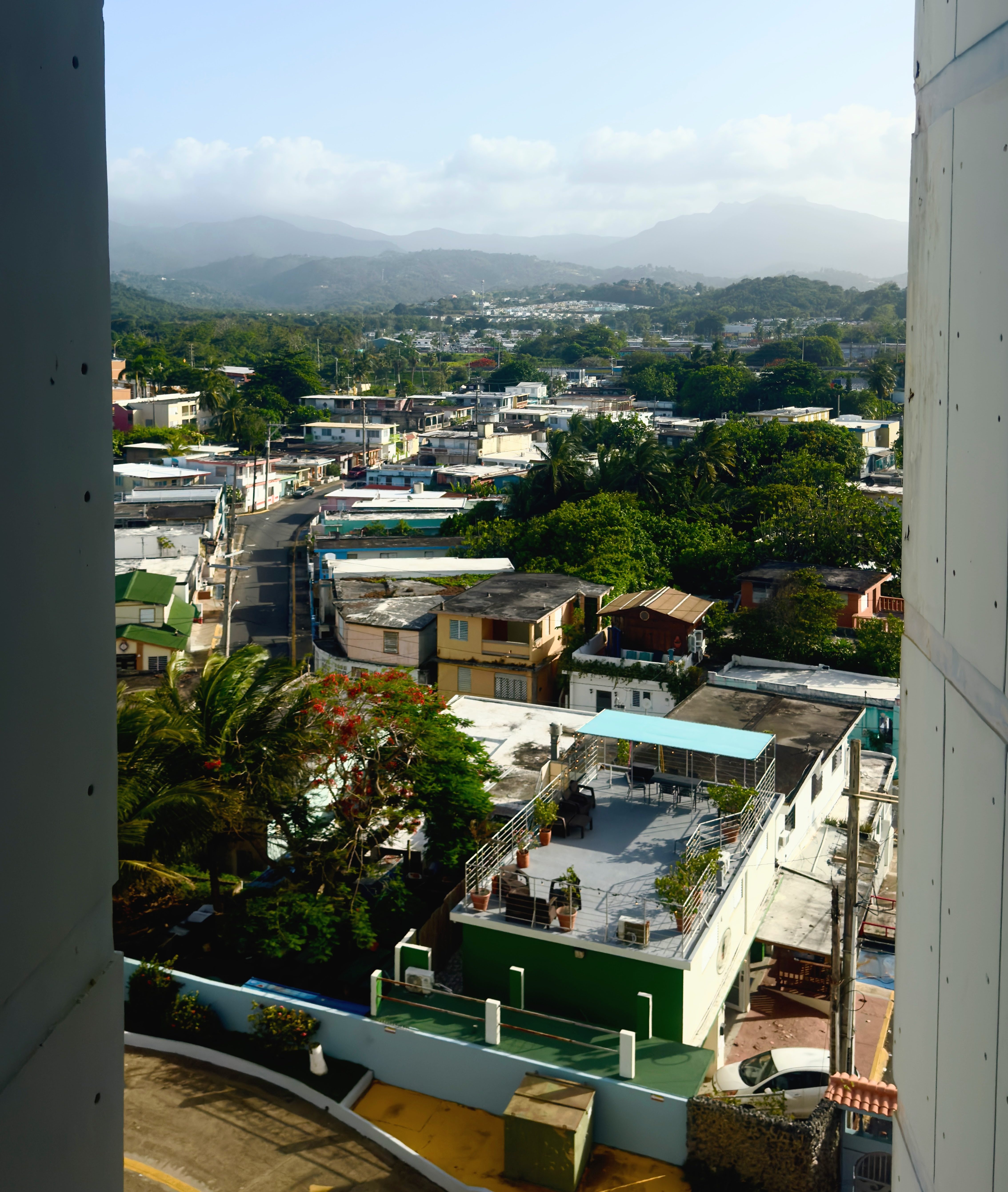
Groceries and consumer goods are slightly more expensive than in the continental US, largely due to shipping costs and the Jones Act, which requires goods to be transported via US ships. Grocery prices are typically 10 to 25% higher than in the mainland US.
This is the one that surprises diaspora returnees most because the intuition is that food should be cheaper closer to where it grows. Some food is. But the imported goods — the brand names, the processed foods, the things you grew up buying at Stop and Shop or Publix — cost more on the island because everything that comes over on a ship costs more.
The adaptation is real and most returnees make it eventually. You shop local more. You learn which stores are more affordable. You start buying different things. But the adjustment period is real and your grocery budget in the first six months will probably be higher than you planned.
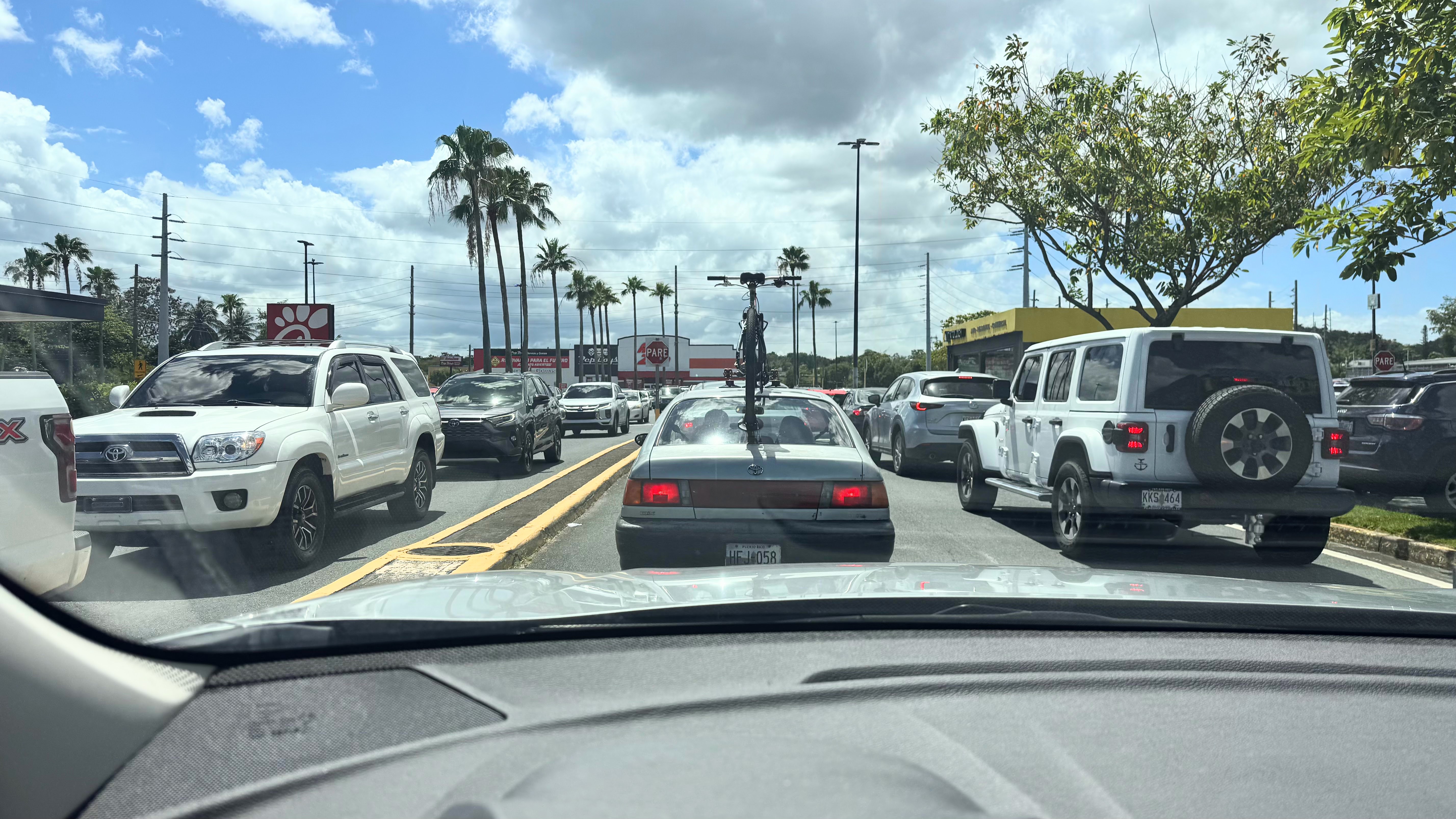
You will need a car. And cars cost more here.
Most residents need a car due to limited public transportation. If you are coming from a city where you relied on the subway or public transit, this is a significant lifestyle and budget shift.
Car prices run higher than mainland US due to shipping costs and import taxes, while insurance rates reflect higher accident and theft rates. Gasoline prices typically exceed mainland averages by $0.20 to $0.40 per gallon. Most residents budget $300 to $600 monthly for vehicle-related expenses including payments, insurance, fuel, and maintenance.
What It Actually Costs to Get There
Before you can think about monthly expenses you have to get yourself and your life to the island. This part of the budget catches people off guard because they focus on the monthly costs and forget about the one-time relocation costs.
Most families spend $8,000 to $25,000 on relocation expenses depending on their current location and the volume of belongings. That range is wide because the variables are wide. Someone moving from a studio apartment in Boston with minimal furniture is a completely different calculation from a family of four shipping the contents of a three-bedroom house from Chicago.
Specific costs to plan for:
Shipping your vehicle from the mainland runs approximately $1,200 to $2,500 depending on the shipping method and vehicle size.
First and last month’s rent plus security deposit — plan for two to three months of rent as upfront housing costs.
Utility deposits for electricity, water, and internet.
Healthcare coverage setup — this takes time and potentially costs money before your new coverage is active.
Driver’s license transfer and vehicle registration — these have fees and take time.
Any legal fees for document transfers, address changes, or other administrative requirements.
The families who move back successfully almost always say the same thing in retrospect: they underestimated the one-time costs and overestimated the monthly savings. Planning conservatively on both sides gives you breathing room that makes the transition dramatically less stressful.
The Number That Changes Everything
Here is the variable that makes the entire cost of living conversation shift: your income.
The average monthly net salary in Puerto Rico is around $2,640, compared to about $4,252 in the US. If you move back and take a local job at local wages, the math is tight. The island is affordable relative to what you earn there but the margin is narrow.
If you move back with a remote job at mainland salary levels, the math completely changes. Remote workers living on the West Coast generally have a monthly spending of around $3,400 in Puerto Rico — a number that represents a significant savings compared to what those same people were spending on the mainland.
This is the financial reality that makes the diaspora’s return genuinely viable in a way it has not always been. Remote work has made it possible to earn mainland income while living on island costs. For a diaspora family that can pull this off — and more and more can — the financial case for moving back is not just emotional anymore. It is real.

The Honest Summary
Puerto Rico will save you money on housing. Significantly. Especially if you are coming from a major mainland city.
Puerto Rico will cost you more on electricity and groceries. Consistently. Plan for it.
Puerto Rico will require a car. Budget for it accordingly.
The one-time relocation costs are real and often underestimated. Build a dedicated relocation budget separate from your monthly living budget.
Your income situation is the single biggest variable in whether this works financially. Remote work at mainland salary is the move that makes the numbers sing.
And none of this accounts for the things that do not show up in a budget spreadsheet. Eating your tia’s cooking on a Tuesday night. Your kids growing up speaking Spanish. Your parents visiting whenever they want instead of twice a year. Watching the sun go down over the water from a house that actually belongs to you.
The cost of living in Puerto Rico is something you can calculate. The cost of not going back is harder to put a number on.
The De Vuelta PR Relocation and Life Setup guide breaks down every practical and financial step of moving back, Driver’s license, healthcare, schools, banking, utilities, and the full financial planning checklist for making your move work on a real budget.
This post is for educational purposes only. Cost figures reflect available 2026 data and may vary based on location, lifestyle, and individual circumstances.
 De Vuelta PR
Leave a comment