You have heard the name.
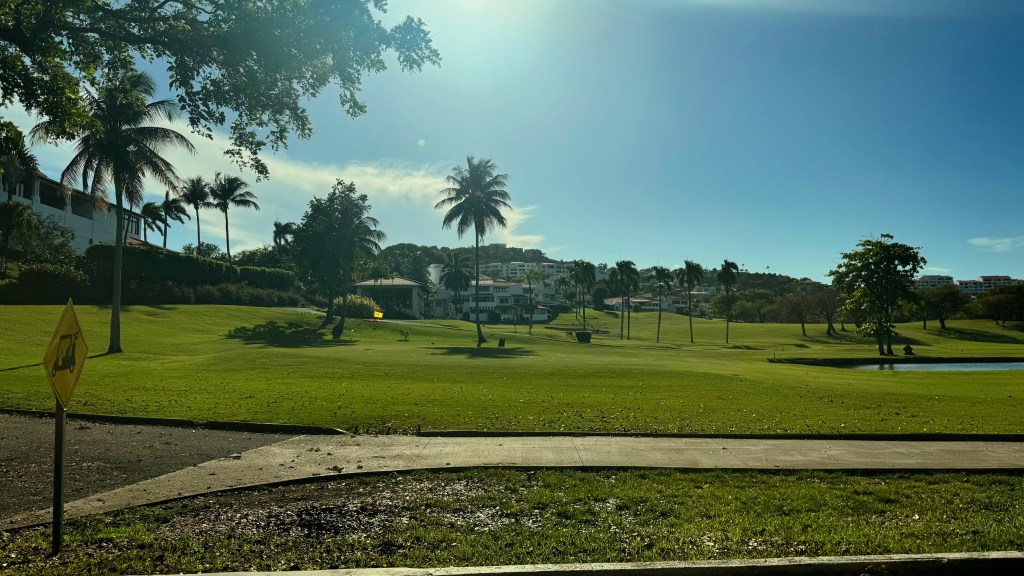
Act 60. The tax thing. The reason crypto guys from California are buying condos in Dorado Beach. The reason certain neighborhoods in San Juan suddenly have a different energy than they used to. The reason your tio shakes his head and says the island is being bought by people with money who do not care about Puerto Rico, they just care about paying less in taxes.
Your tio is not wrong. But he is not telling you the whole story.
Act 60 is one of the most significant financial opportunities available to any US citizen who is serious about building a life in Puerto Rico. And most of the diaspora has been watching it happen from a distance, assuming it was built for someone else.
It was not built for someone else. It was built for the island. Whether the diaspora takes advantage of it is a choice. And right now, most of us are choosing to let it pass.
What Act 60 Actually Is
Act 60 is Puerto Rico’s tax incentive code, signed into law in 2019. It consolidated and replaced earlier laws known as Act 20 and Act 22 into one framework designed to attract businesses and individual investors to the island by offering tax benefits that do not exist anywhere else in the United States.
The reason those benefits exist is rooted in Puerto Rico’s unique legal status. As a US territory, Puerto Rico has constitutional authority to set its own tax rates. And under federal law, qualifying bona fide residents of Puerto Rico can exclude Puerto Rico-source income from US federal income taxes. This is not a loophole. It is federal law. It is why Puerto Rico can offer what no US state can offer — a legal reduction in your tax burden without requiring you to give up your citizenship or move to another country.
For the people who have been taking advantage of this and the numbers are significant, the benefits have been extraordinary. Current Act 60 applicants can receive 0% tax on capital gains accrued after establishing Puerto Rico residency. That rate is set to change. Under Act 38-2026, applicants who file on or after January 1, 2027 will face a 4% rate on investment income instead of 0%. The window to lock in the most favorable terms is narrowing.
But capital gains tax is the part that gets all the attention because it is the part that matters most to millionaire investors. It is not the only part.
The Part the Diaspora Is Missing
The conversation about Act 60 in the diaspora community almost always goes one of two ways.
Either someone dismisses it entirely “that is for rich people, not us” or someone has a vague sense that it might apply to them but has no idea where to start and eventually stops thinking about it.
Both of these responses are leaving real money and real opportunity on the table.
Here is what most people do not know: Act 60 is not just for individual investors with stock portfolios and cryptocurrency holdings. Qualifying export service businesses can enjoy a 4% fixed corporate income tax rate on eligible export service income. That includes consulting, technology, professional services, marketing, research and development, creative services, and more. If you are a remote worker, a freelancer, an entrepreneur, or a professional who provides services to clients outside Puerto Rico and you are willing to actually move to the island and build a real life there, Act 60 may be more relevant to you than you have been told.
The requirements are real and they are strict. To qualify individuals must be physically present in Puerto Rico for at least 183 days per year, have their primary place of business in Puerto Rico, demonstrate closer connections to Puerto Rico than to any other jurisdiction, purchase residential property in Puerto Rico within two years of receiving the decree, and make an annual charitable donation of $15,000 to qualifying Puerto Rico nonprofits.
Read that last requirement again. A $15,000 annual charitable donation to Puerto Rican nonprofits is required. That money goes back to the island. For diaspora members who have always wanted to invest in Puerto Rican communities in a meaningful way, this requirement is not a burden. It is an opportunity.

The IRS Is Watching. Which Is Actually Good News for the Diaspora.
One of the things that has given Act 60 a bad reputation is the number of people who claimed the benefits without genuinely relocating. They kept their primary lives on the mainland, spent a few months a year in Puerto Rico, and tried to claim the tax benefits anyway. The IRS has identified significant abuse by taxpayers claiming benefits without truly relocating, leading to heightened audits and expanded data sharing.
For the diaspora, this is actually good news.
The enforcement crackdown is filtering out exactly the people who were using Puerto Rico as a tax address without actually contributing to the island. The people who are left the ones who qualify because they actually live there, actually run their businesses there, actually participate in the community are the people the program was meant to serve.
The diaspora member who moves back for real, builds something real, and qualifies under Act 60 is exactly the person this program should benefit. Not the crypto trader from Miami who rents a condo for five months and calls it residency.

What You Need to Know Before You Dismiss This
We are not going to tell you Act 60 is right for everyone. It is not. It requires a genuine, verified, documented relocation to Puerto Rico. It requires purchasing a home. It requires ongoing compliance and annual reporting. It requires the assistance of a qualified attorney and CPA to navigate correctly.
But if you have been thinking about moving back anyway — if Puerto Rico is already in your plans, the financial case for understanding Act 60 before you make that move is overwhelming. The difference between qualifying and not qualifying, between filing before and after the 2027 deadline, between structuring your move correctly and making it up as you go, is potentially hundreds of thousands of dollars over the course of a decade.
The mainland investors who moved to Dorado Beach hired attorneys and accountants to optimize every detail of their relocation before they packed a single box. The diaspora deserves the same information, the same clarity, and the same chance to make an informed decision.
The De Vuelta PR Act 60 Guide breaks down every part of the incentive code that matters to diaspora families. Who qualifies, what the requirements actually mean in practice, what the 2027 deadline means for your timeline, how the charitable donation requirement works, and how to find qualified legal and financial professionals to guide your application.
In plain English. No attorney gatekeeping. No $500 consultation just to understand the basics.
This post is for educational purposes only and does not constitute legal, tax, or financial advice. Act 60 requirements are complex and change over time. Always consult a licensed Puerto Rico attorney and qualified CPA before making any decisions related to Act 60.
 De Vuelta PR
Leave a comment