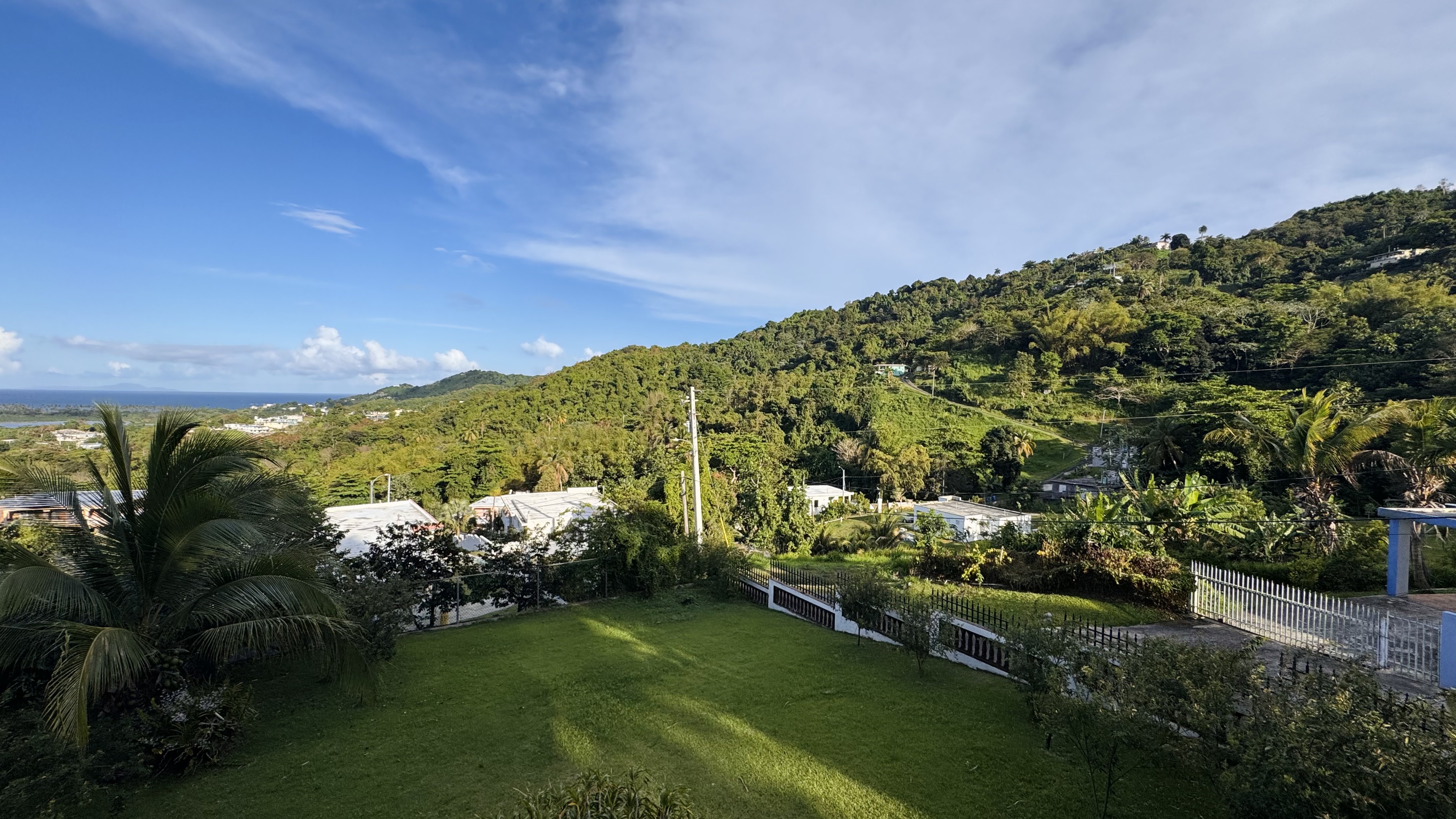
She’s been gone a few years now. Maybe ten. Maybe more.
But the house is still there. Somebody cuts the grass when they remember. Somebody pays the CRIM when somebody thinks about it. La familia stays there when they visit. And nobody, nobody, has ever actually dealt with the deed. It’s still in her name. Like she’s gonna walk back in any minute.
I’m not judging. Escúchame, this is not your family failing. This is almost every diaspora family. There are thousands of houses on the island still legally owned by people who passed years ago. Some decades ago.
But here’s the thing nobody says out loud at the barbecue: every year nobody deals with it, it gets more complicated, more expensive, and more vulnerable. Let me explain, con cariño.

Why We Keep Putting This Off
You already know this conversation. It’s happened at your family gatherings más de una vez.
Somebody brings up la casa. “What are we gonna do about it.” Somebody says they’re “looking into it.” Somebody knows un abogado. Somebody says it’s complicated. Somebody says everyone’s getting along, why stir the pot. And then the pernil comes out, and the whole thing just evaporates. Six months later, same conversation. Otra vez.
This isn’t lazy, and it’s not that you don’t care. It’s a family trying to work a legal system in a language some of them don’t speak comfortably, in a place they don’t live, with a process nobody ever explained, while already juggling a whole life on the mainland. Of course it keeps getting pushed.
But doing nothing is not free. That’s the part that hurts. Inaction has its own price, and it goes up every single year.
What’s Actually at Stake, Sin Azúcar
I’m gonna be straight with you, porque most articles about this soften it in a way that doesn’t actually help you.
A house sitting in a dead relative’s name is vulnerable. Not tomorrow. Not in some dramatic way. But it’s real, and it grows.
The CRIM tax debt keeps stacking on a property nobody’s officially managing, and let it grow enough and it starts triggering legal processes of its own.
And ojo, this one’s new: under Ley 97-2026, an abandoned, deteriorating house can be declared an estorbo público, and the town can move to take it. An empty family home is exactly the kind of property that law is looking at now. (Accurate as of July 2026.)
And every year, más herederos. Cousins have kids, those kids have kids, and the web of who legally owns a slice of that house gets bigger and harder to untangle.
Here’s the quiet one: while it sits in limbo, that house can’t really be sold, renovated with permits, mortgaged, or rented the right way. Your family is sitting on something valuable. It’s just locked. And you’re holding a key you haven’t cut yet.
Untangling this is exactly what I walk you through, step by step, so it stops being the thing nobody wants to bring up.
The Part That Surprises Almost Everybody
Now the good news, porque I’m not just here to stress you out.
When diaspora families finally sit down with a PR attorney to handle this, the most common reaction is: “espérate, this is more doable than I thought.”
Not easy. Not fast, this is island time, mija. But doable. The process, it’s called la herencia, has clear steps, specific documents, specific agencies, a real path. For families where the ownership is clear, nobody’s fighting, and the taxes are more or less current, it’s straightforward enough that people end up wondering why they waited so long.
You know who has the hard time? The families who wait until there’s more debt, more heirs, more mess. The ones who move early, even when it feels premature, get the cleanest resolution. Cada vez.

This Is How We Take It Back
Every piece of family land that gets stuck in inheritance limbo is a piece of Puerto Rico the diaspora slowly loses its grip on. Not on paper. But in real life. Eventually.
And every piece that gets properly transferred, registered, and put in your family’s name, that’s a piece of the island that stays ours. That gets passed to the next generation with documentos, not just cuentos. That can become a home, a rental, a place for the next branch of la familia to plant roots.
Esto no es paperwork. This is legacy. This is abuela’s house staying abuela’s house, in her family, right where she wanted it.
The Guide Walks You Through It
The De Vuelta PR Herencia Guide takes you through the whole thing in plain English: the legal steps, the documents you’ll need, the agencies involved, the timelines, the real costs, and what to do when it gets complicated. It’s for the families who’ve been “meaning to deal with this” for years.
You bring the love for her house. I’ll walk you through making it official.
Bottom Line, Mi Amor
That house has been waiting patiently in her name, just like she left it. But patience isn’t protection. The kindest thing you can do for her memory, and for the cousins who come after you, is to make it official.
Don’t wait for it to get complicated. Start while it’s still just a phone call and a few papeles. Hazlo por ella. Y por los que vienen.
This post is for educational purposes only and is not legal, tax, or financial advice. Always consult a licensed Puerto Rico attorney before making any decisions about inherited property.

Leave a Reply